
Symposium overview
The upcoming Frontiers symposium focusing on Community-led circular solutions for inclusive climate action, will take place from 30 September to 2 October 2026 in Belo Horizonte, Brazil, in partnership with WIEGO, as a chair of the Circular Economy Thematic Chamber of the Fórum Brasileiro de Mudança do Clima (Brazil’s Climate Change Forum). Members of the CE Chamber, including ICLEI – Local Governments for Sustainability, and Instituto Clima e Sociedade (Institute Climate and Society), will also be engaged as working group partners.
The event will bring together leading researchers, innovators and practitioners to explore how more inclusive and equitable circular economy transitions can be achieved, focusing on participation in decision-making, governance, and addressing inequalities across systems such as waste, mining, and infrastructure. It will highlight the role of Indigenous peoples, local communities, workers in the informal economy, and other community-led circular ecosystems in driving innovation and place-based solutions, as well as the enabling conditions needed to scale these efforts, including finance, engineering skills, and resilient infrastructure that support long-term social, economic, and environmental resilience.
The event will offer a unique opportunity for delegates from different disciplines to connect and network with experts from around the world, and to explore cross-cutting issues through three different sub-themes:
-
Participation, decision-making, and climate governance in circular systems: looks at who gets to shape circular economy decisions, and how those decisions affect communities, workers, infrastructure, and natural resources. Participants will explore how governance systems in areas such as mining, resource recovery, waste and urban infrastructure can either exclude people or create fairer pathways for climate action.
-
Community-led circular ecosystems and innovation: will explore how practical knowledge can be recognised, shared, and scaled without losing its connection to place and community priorities, focusing on Indigenous peoples and local communities (IPLCs), workers in the formal economy and other place-based actors. It will focus on the engineering solutions and innovations that can reduce resource use, lower environmental impacts, extend the life of products and infrastructure, and strengthen climate resilience.
- Enabling conditions, finance, and resilient productive systems for circular economy: examines the institutional, financial, infrastructural, and skills-related conditions required to support inclusive circular transitions at scale. With attention to IPLCs who are often at the forefront of circular economy practice and innovation in place-based systems, this sub-theme explores how policy frameworks, investment, infrastructure, engineering skills development, and capacity strengthening can enable community- and work-based initiatives to thrive. It considers the conditions needed to improve safety, durability, and climate resilience while supporting the generation of circular value, sustainable livelihoods, and resilient productive systems.
Symposium details
- Event format: this is a fully in-person event with no virtual or hybrid option, structured around three cross-disciplinary, challenge-led sessions. Please familiarise yourself with the structure by reading some of our previous event reports
- Arrival: the evening of 29 September for a welcome dinner and networking to kick off the event.
- Who attends: Participants are from all disciplines (i.e. not just for engineers) and sectors, and from all around the world.
- Working language: To support exchange and collaboration among participants from across the globe, the working language of the symposium will be English. The event is designed around interactive discussions and group activities, and a shared working language helps ensure all participants can engage fully and build relationships that continue beyond the event.
- Event cost: There is no cost to participants for attending the event. We welcome a diverse group of participants and offer to cover your travel, accommodation and subsistence costs during the event. We actively encourage candidates from a diverse range of backgrounds. Please note: we do not cover usual salary costs.
How to apply?
The expression of interest is now closed. Due to the high volume of applications, only successful applicants will be contacted by the end of the month. Unfortunately, we are unable to provide individual feedback or respond to enquiries regarding application status.
Post-event funding
Seed funding grants worth £20,000 over one year are awarded to successful collaborations developed via the symposium. See here previous grant awardees to familiarise yourself with the types of projects.
Event Chairs
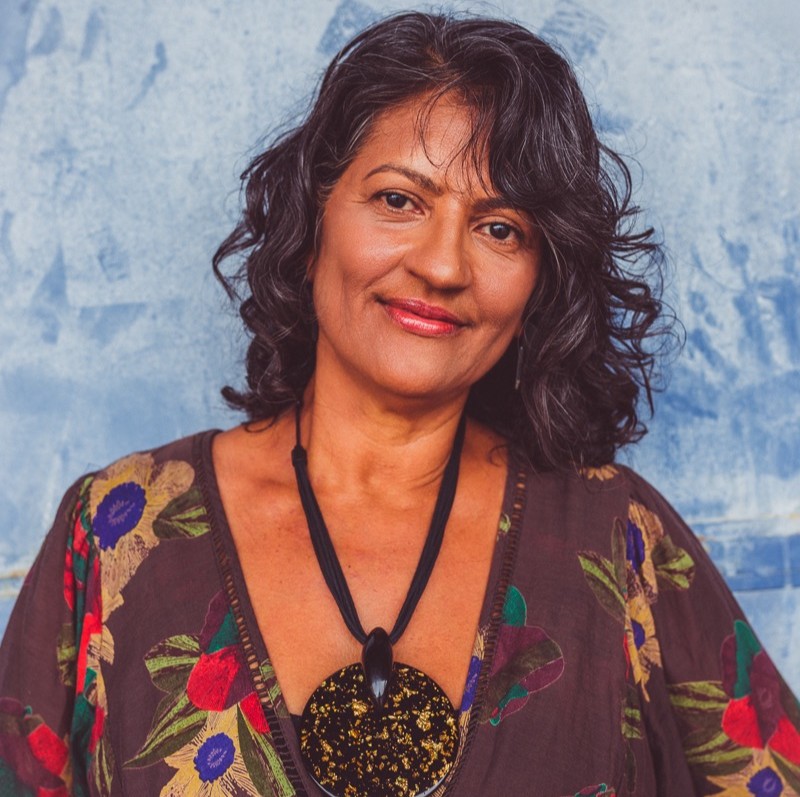
Sonia Dias - WIEGO, Brazil
Dr Sonia Dias is a leading global expert on inclusive waste management systems. An action research and popular education specialist, her work focuses on climate change, women’s empowerment and occupational-health in the waste sector. She is the coordinator of the Circular Economy Thematic Chamber of Brazil’s National Climate Change Forum, and sits on the Municipal Adaptation and Eco-efficiency Committee of the city of Belo Horizonte.
At a global level, Sonia has collaborated with Habitat III as the policy unit expert working on the New Urban Agenda. She serves on numerous advisory boards including the World Business Council for Sustainable Development, End Plastic Pollution International Collaborative (EPPIC), the Circulate Initiative Responsible Sourcing, Systemiq’s Living Income Study and Pimp My Carroça. She has taught at the Gender and Green Jobs Academies at the ILO’s International Training Centre. She has served as Latin American representative to the Collaborative Working Group on Solid Waste Management in Low and Middle-Income Countries.
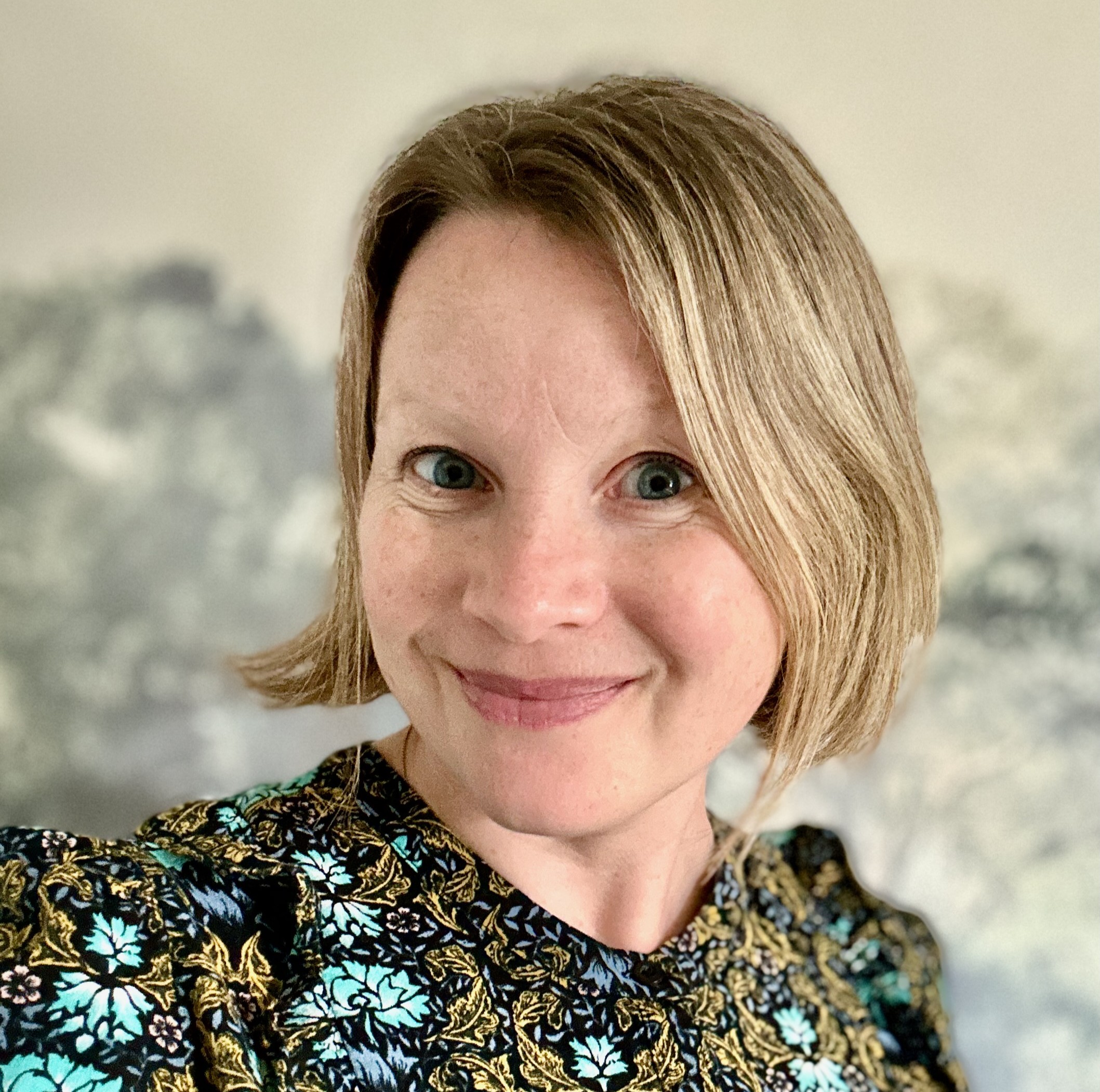
Erica Purvis - Studio Technical Nature, UK
Erica Purvis is an Design Engineer and founder of Studio Technical Nature, cultivating design and technology rooted with life's elements. Since 2014, she has worked across circular design, regenerative business and community-led climate action, including co-instigating OSCEdays, a global network for open, transparent circular economy practice. Also collaborating on various University and European Sustainable innovation and entrepreneurship programmes.
Her path began as a Product Design Engineer, working on eco and circular design for Philips in the Netherlands, before moving into policy work with a UK waste NGO. She also co-founded Social Enterprise Design Nature CIC, bringing circular design into schools, and continues to deepen a focus on reconnecting designers and engineers to place, nature, living systems and the people impacted, work she believes cultivates greater connection, care and responsibility. She volunteers as Beyond Waste theme lead for her community's Climate Emergency Strategy, is a Design Council Design for Planet Expert, RSA Fellow and Academy Visiting Professor at Glasgow School of Art.