About STEMAZING Inspiration Academy
Through STEMAZING Inspiration Academy, the project supported and empowered 102 women in engineering to be more confident, visible role models and enhance their public engagement skills.
STEMAZING ran online training to empower and equip the participants to level-up their confidence and communication skills, including confidence on camera. Then provided a series of online training tutorials and resources for the participants to grow their STEM outreach toolkit with six hands-on STEMAZINGKids sessions that have been designed to engage 7-9 year olds. They also organised the participants into Accountability Groups so they could support each other through the process in addition to the team supporting them.
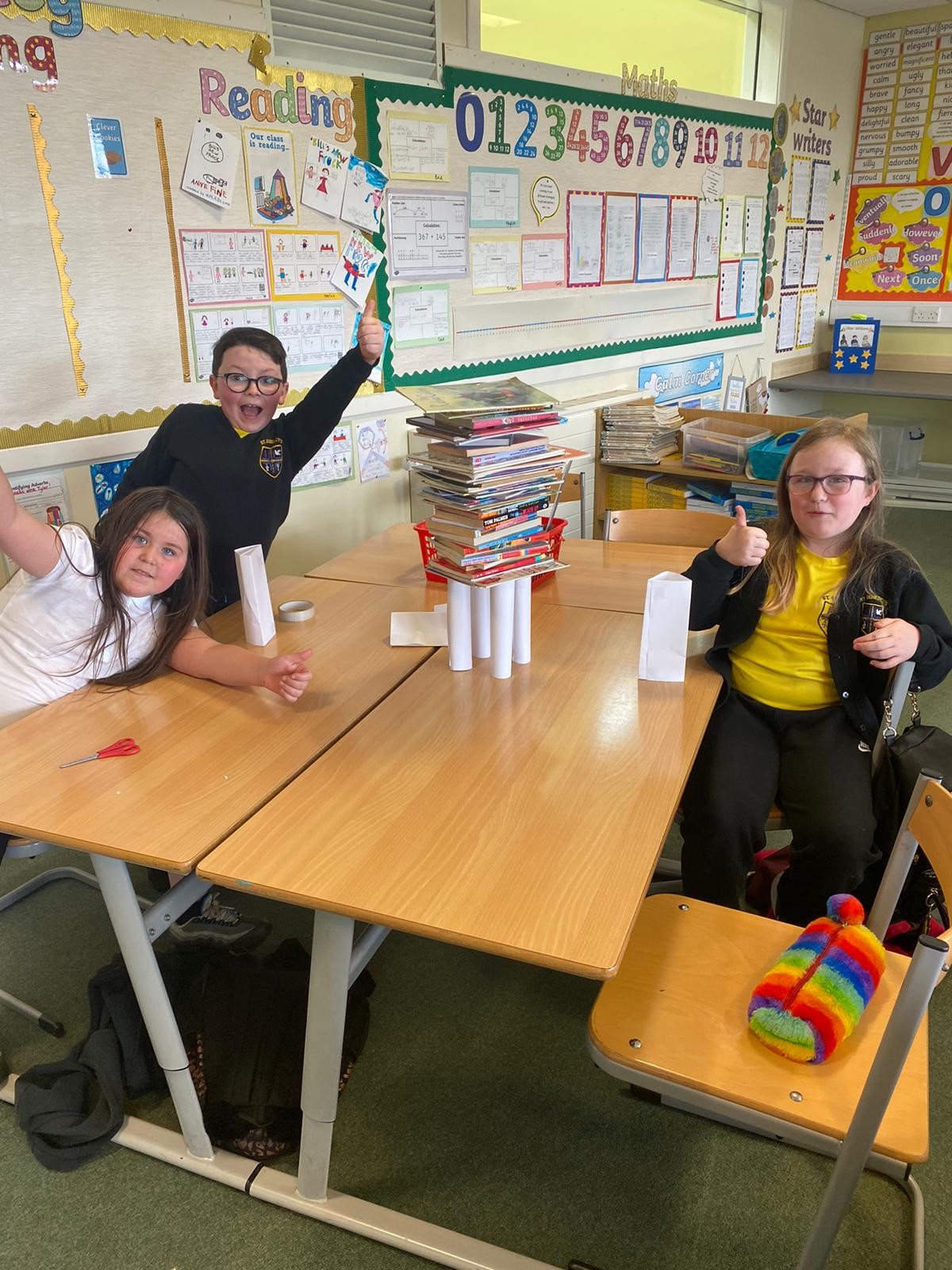
The project down-selected Primary Schools that applied to take part, prioritising them by percentage of free-school-meals. Then matched the women participants up with a class of Primary children from the down-selected schools. Sessions were delivered online with the participants leading the lesson from a big screen in front of the children and the children taking part in the classroom by making and testing their STEM creation each week. The children learnt about a different basic engineering principle and how this relates to the real world in every session.
The women in engineering inspired a total of 2,363 children. Each week over 6 weeks, the children completed a different engineering experiment, so in total the women led 14,178 StemazingKids experiments. The project included 78 classes of children aged 7 - 9 years old across 58 schools Primary children from under-represented areas in the UK.
Great feedback was received from the women participants about how this programme increased their confidence and skillset to deliver effective engineering outreach. Also great feedback from schools about how much the children benefited from the STEM sessions.
“It benefits both women and schools, so it’s a win-win all around!”- Edita Szuketiova, recorded interview.
Key lessons
There were a lot of lessons about the feasibility of working with a large number of participants at once with the size of the internal team we have currently. In future projects, more back-end support would be needed. Also to improve the selection process for participants to check they are committed to fulfil the whole programme, as a number of women who took part in the training and dropped out of the programme before the delivery into schools which meant not reach as many schools as originally planned.