About Exploring heat loss and energy efficiency in community buildings
Churches and community centres are used for everything from children’s nurseries to dementia support groups-but they are notoriously difficult to heat. They are also key resources for serving Britain’s more deprived communities.
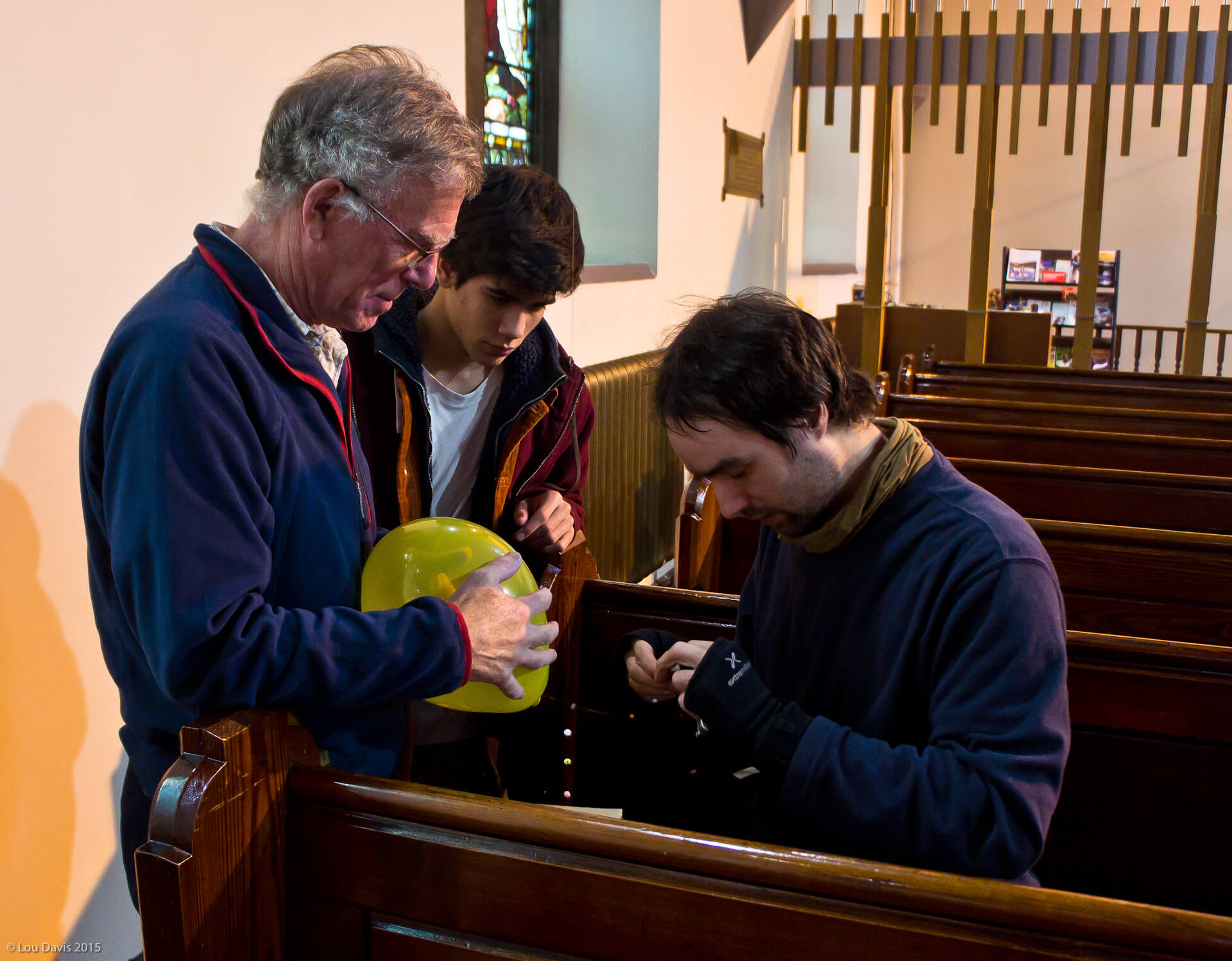
The project recruited volunteer engineers to work with small groups of staff and volunteers from premise-based community organisations for four two-hour sessions. These sessions applied basic thermal modelling principles to understand how best to control heating and plan future changes, such as insulation, to move towards Net Zero. The small groups then planned and held events for the wider community to showcase their work, ensure the plans were correct, and provide evidence for potential grant funders.
The group sessions were structured to ensure they did not feel like "business as usual," helping to foster consensus despite the need for difficult decisions.
- Interactive Tools: Groups used a "board game" to explore the experiences of building users and identify ways to match unused spaces with community needs.
- Planning Action Cards: This card game was so effective that a funder of decarbonisation projects is now promoting the programme and considering using the resulting documentation as part of the application process.
Impact and Practical Results
The approach to public engagement demonstrated how engineers apply science to reach practical solutions. This yielded tangible results, with some groups expecting to save thousands of pounds a year through inexpensive changes.
However, because the programme did not appear highly technical, audiences did not always believe that the demonstrations represented the "essence" of engineering.
The Role of Volunteer Engineers
While all materials are available online for any group to use, the volunteer engineers were essential to the project's success.
- Continued Demand: The Scottish Episcopal Church, committed to running the programme with their churches in the future, has requested that the involvement of engineers continues.
- Value of Expertise: Groups reported that the engineers' explanations and help with reasoning were invaluable.
- Diverse Professional Backgrounds: Mid-career and retired engineers provided useful life experience regardless of their specific discipline.
It was surprising when a major engineering consultancy encouraged their building services engineers to participate; these professionals enjoyed interacting with clients in a non-traditional setting, gaining insights into client behaviour. Many engineers expressed a desire to continue working with new groups after the project's conclusion, motivated by the opportunity to help their local communities.
To find out more about this project, read our case study and hear more from the project team.